
The BioChar Initiative
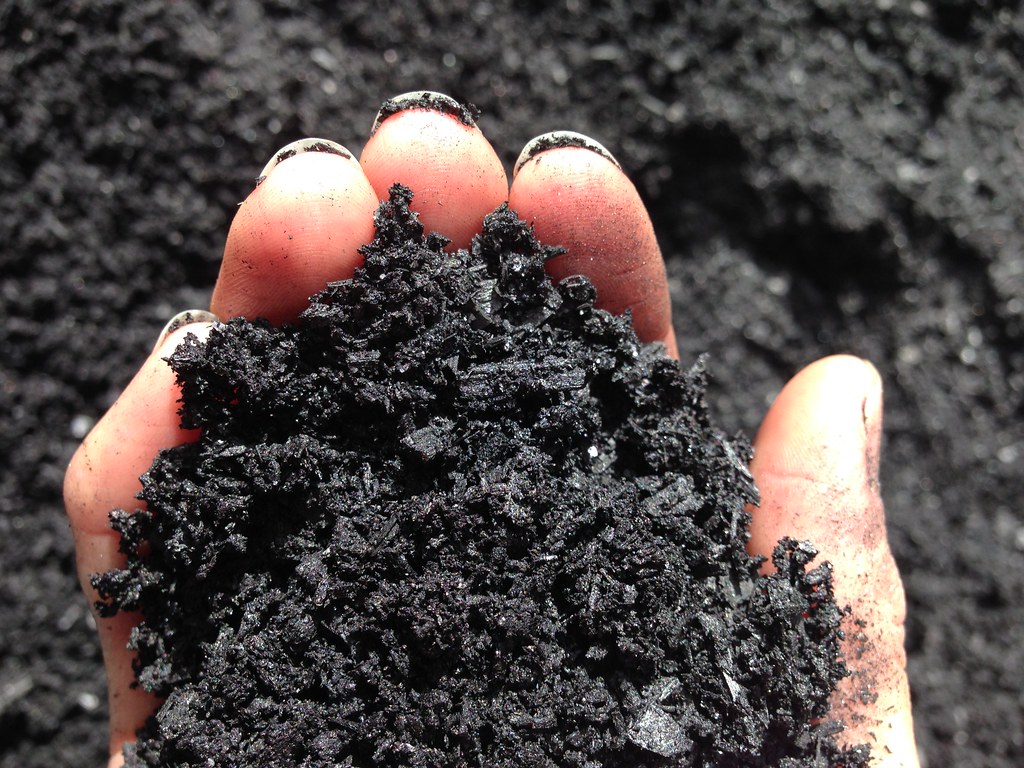
What does BioChar do?
1. Permanent Carbon Sequestration
Biochar locks atmospheric carbon into a stable form. Created from woody biomass through pyrolysis, it captures carbon absorbed by plants and sequesters it for thousands of years, offering a powerful solution for mitigating climate change.
2. Reduction of Soil Greenhouse Gas Flux
When applied to soil, biochar reduces emissions of potent greenhouse gases like methane (CH₄) and nitrous oxide (N₂O). This decreases the overall greenhouse gas flux, contributing to a more sustainable agricultural and environmental system.
3. Direct Contaminant Capture
Biochar’s porous structure acts as a natural filter, binding heavy metals and toxins. This prevents contaminants from leaching into water sources, safeguarding ecosystems and public health.
4. Enhanced Phytoremediation
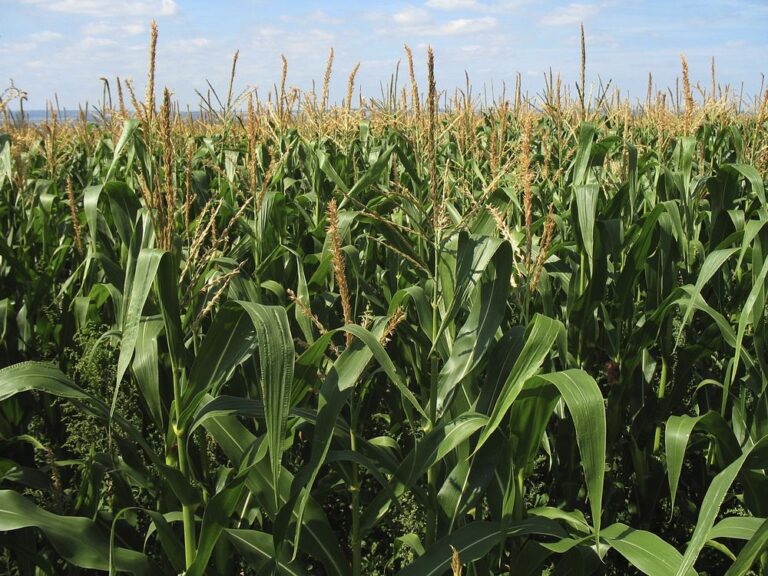
Biochar improves soil conditions, enabling plants and trees to grow more robustly. These plants absorb atmospheric carbon dioxide (CO₂) and stabilize heavy metals and toxins in the soil, amplifying the impact of natural remediation processes.
5. Enhanced Mycoremediation
Fungi thrive in biochar-amended soils, creating a synergistic system that captures heavy metals, breaks down toxins, and contributes to long-term carbon storage. Biochar fosters a habitat where fungi play a vital role in detoxifying soils.
6. Enhanced Microbial Remediation
Biochar supports diverse microbial communities that accelerate the breakdown of toxins in soil and water. These bacteria and other microorganisms enhance the bioremediation capacity of ecosystems, further restoring environmental balance